

Comporta is located on the Alentejo coast, just about an hour's drive south of Lisbon, and has developed in recent years into an exclusive and at the same time wonderfully understated destination. The town has long attracted artists, designers, and celebrities who appreciate the sophisticated yet down-to-earth hippie-chic of the region. Recently, Comporta has become increasingly popular with discerning travellers from around the world, yet it has still managed to preserve its pristine nature.
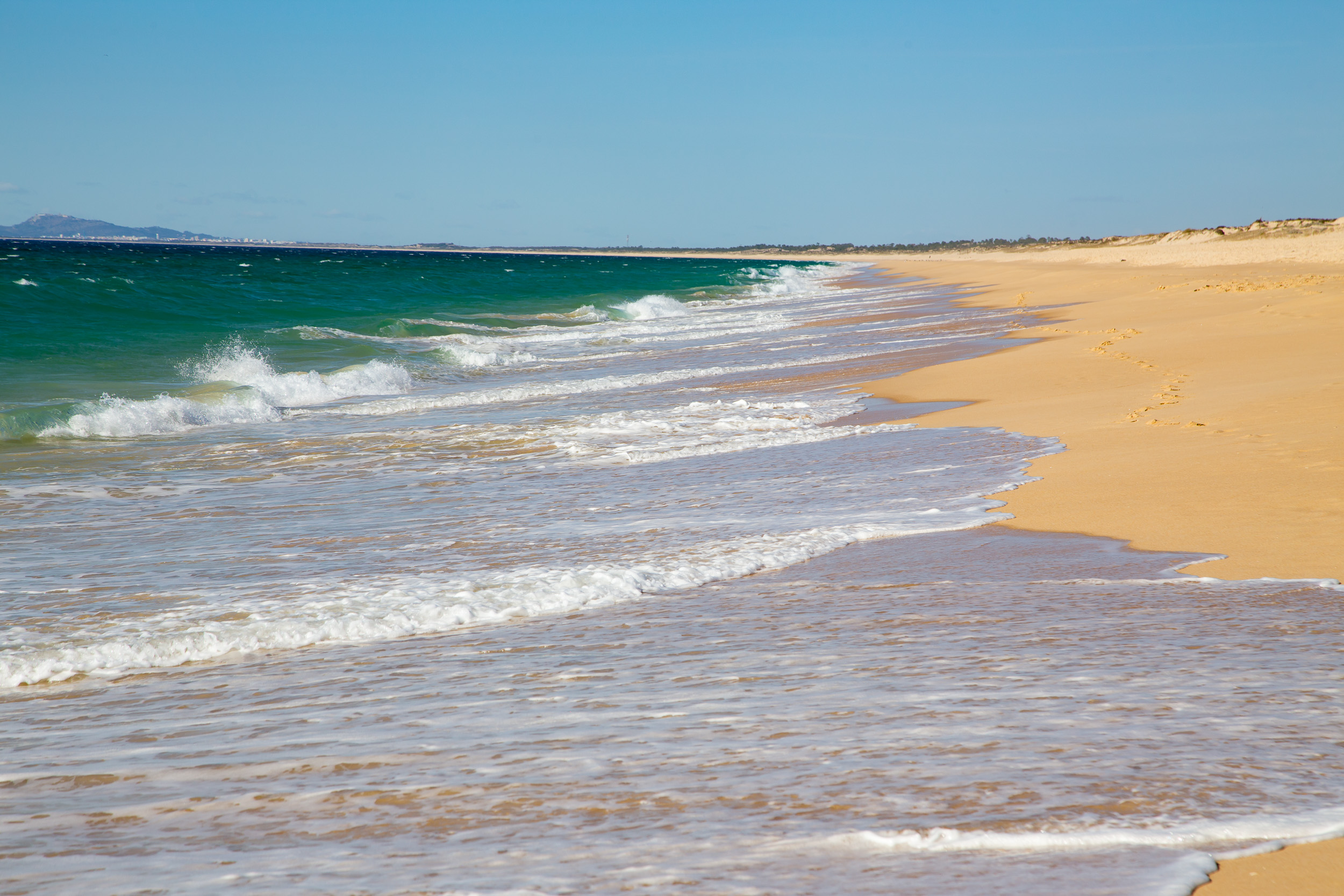
However, the region owes its special charm to its untouched, wild nature. The landscape is characterized by kilometers of wide, fine white sandy beaches, vast rice paddies, gentle dunes, and dense pine and cork oak forests. It is no coincidence that this pristine quality has been preserved despite its growing popularity, and that you will still look in vain for large hotel complexes today. In this guide, we show you how best to experience this landscape — from the expansive beaches and untouched nature to excellent restaurants and specific excursion ideas for every occasion.
We first got to know this place as a family in 2015. Actually, we are travelers who, driven by curiosity, almost never return to the same place twice. During our third consecutive autumn vacation here, we were the most surprised ourselves. But the fascination for these untouched, endless beaches — which you often have all to yourself — simply never let us go. The quiet nature with its characteristic pine and cork oak trees, the excellent food, and the down-to-earth friendliness of the Portuguese did the rest. This guide was born out of that enthusiasm.
Between Authenticity and Change
The fact that Comporta has managed to preserve its authenticity despite growing popularity, and that you look in vain for large hotel complexes here, is the result of a remarkable interplay. For decades, the massive private agricultural estate Herdade da Comporta was owned by the influential Espírito Santo banking family. The family used the vast land as a private retreat and strictly shielded the coast from the massive development otherwise common in southern Europe. In addition, the region is now subject to extremely strict building regulations, as large parts belong to the Sado Estuary Nature Reserve (Reserva Natural do Estuário do Sado).
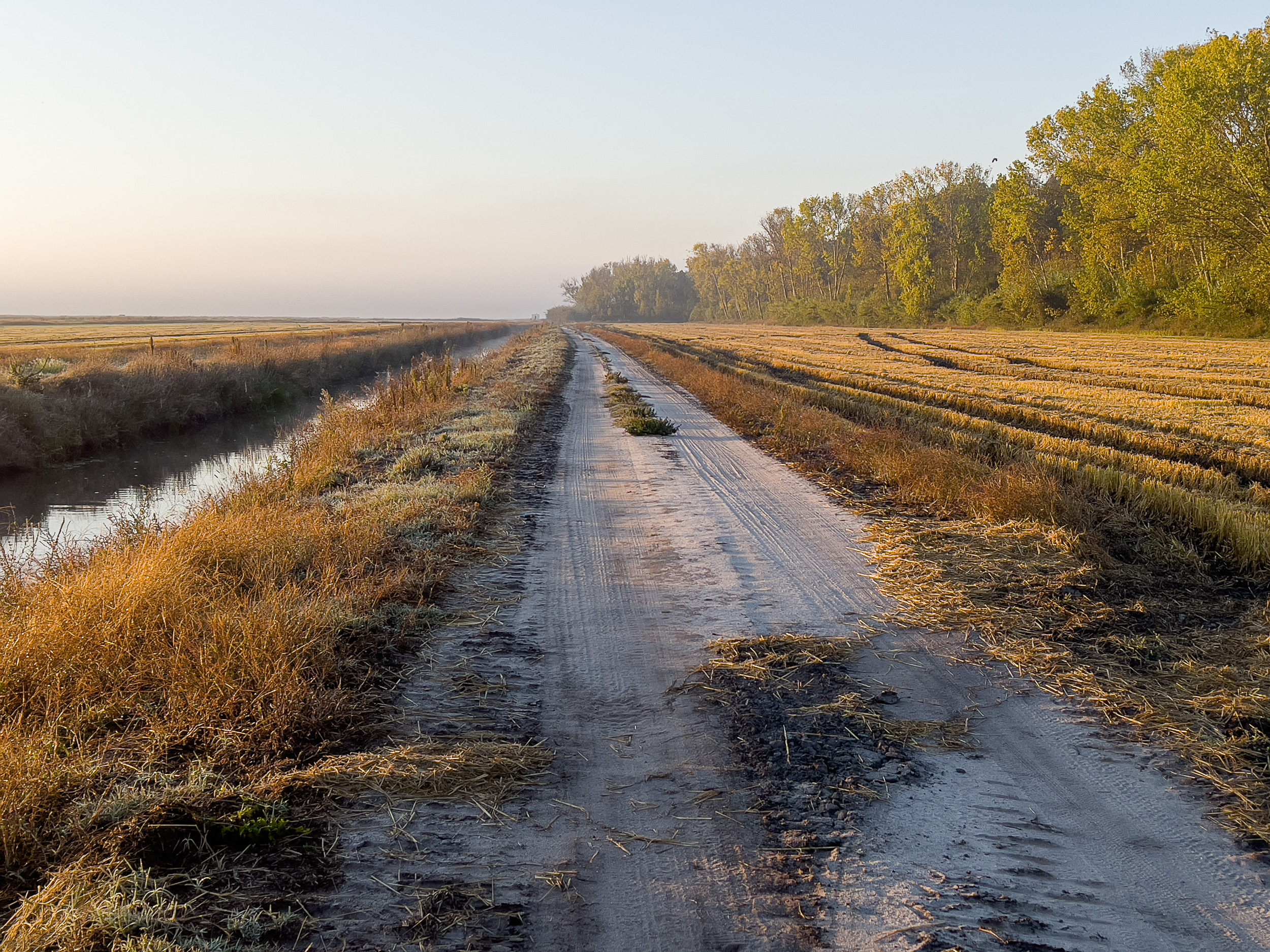
This historical imprint as an agricultural estate forms the backbone of the region to this day. An important part of its identity therefore lies not by the sea, but inland: rice farming defines the image of the plains. The vast rice paddies structure the landscape, mark the seasons and give the place that quiet vastness that is at least as characteristic as the untouched beaches.

However, alongside this deeply rooted tradition, a noticeable change has also taken place in recent years. Pioneering boutique resorts like Sublime Comporta or later Quinta da Comporta have shown how the region is developing: more elegant, more international, and architecturally more ambitious, but always with great respect for nature and local building traditions.
Anyone who wants to understand Comporta today encounters exactly this appealing duality: an established agricultural landscape that simultaneously captivates with modern design and an understated exclusivity.
The Rhythm of the Sea

The beaches are often the first introduction to Comporta for many. They feel untouched, expansive, and unusually free. For about 60 kilometers, one of the longest continuous and undeveloped stretches of coastline in Europe runs along the Atlantic. Instead of hotel strips or closed fronts of buildings, you look at dunes, wooden walkways, and the sea. Exactly this gives the coast its special quality.
At the same time, the coastline changes in its scenic character. The quieter, open dune sections are followed further south by more striking formations like the cliffs at Galé. In addition, the swell typically gets stronger towards the south, as the Setúbal peninsula shields the ocean currents from the north — making it particularly attractive for surfers. This creates an astonishing variety along this continuous coastal space.
The Quiet Hinterland
The inland areas are no less defining. Around Brejos and the neighboring areas, extensive rice paddies meet old pine and cork oak forests. Walking through the paths between the trees in the morning or standing on the edge of the fields, you experience Comporta from its quietest side.

The birdlife is also a part of this landscape. Particularly the white storks are omnipresent and characterize the region in an almost matter-of-fact way. Their quiet, rhythmic beak-clattering lies like a familiar soundtrack over the roofs and fields on many days. Add to this herons, egrets, and seasonally other birds of the wetlands. Wildlife is not a side issue here, but part of the experience of the place.
Food and a New Sense of Style

The restaurants are also an essential part of the region today. On the beaches, a very distinct, relaxed beach restaurant culture has established itself — perfect for extended lunches that often seamlessly blend into the late afternoon. Then there are the restaurants inland, where Alentejo cuisine often remains more grounded and immediately tangible. This very coexistence is what makes Comporta culinary interesting.

The cuisine of the Alentejo sets an important tone here. It thrives on patience, good products, and a way of cooking that relies not on effect, but on substance. Bread, olive oil, coriander, fish, rice dishes, and honest, powerful flavors shape this tradition to this day. And the beauty is: This honest foundation can fortunately also be found in the many new, chic establishments in the region.
The Tensions of Today

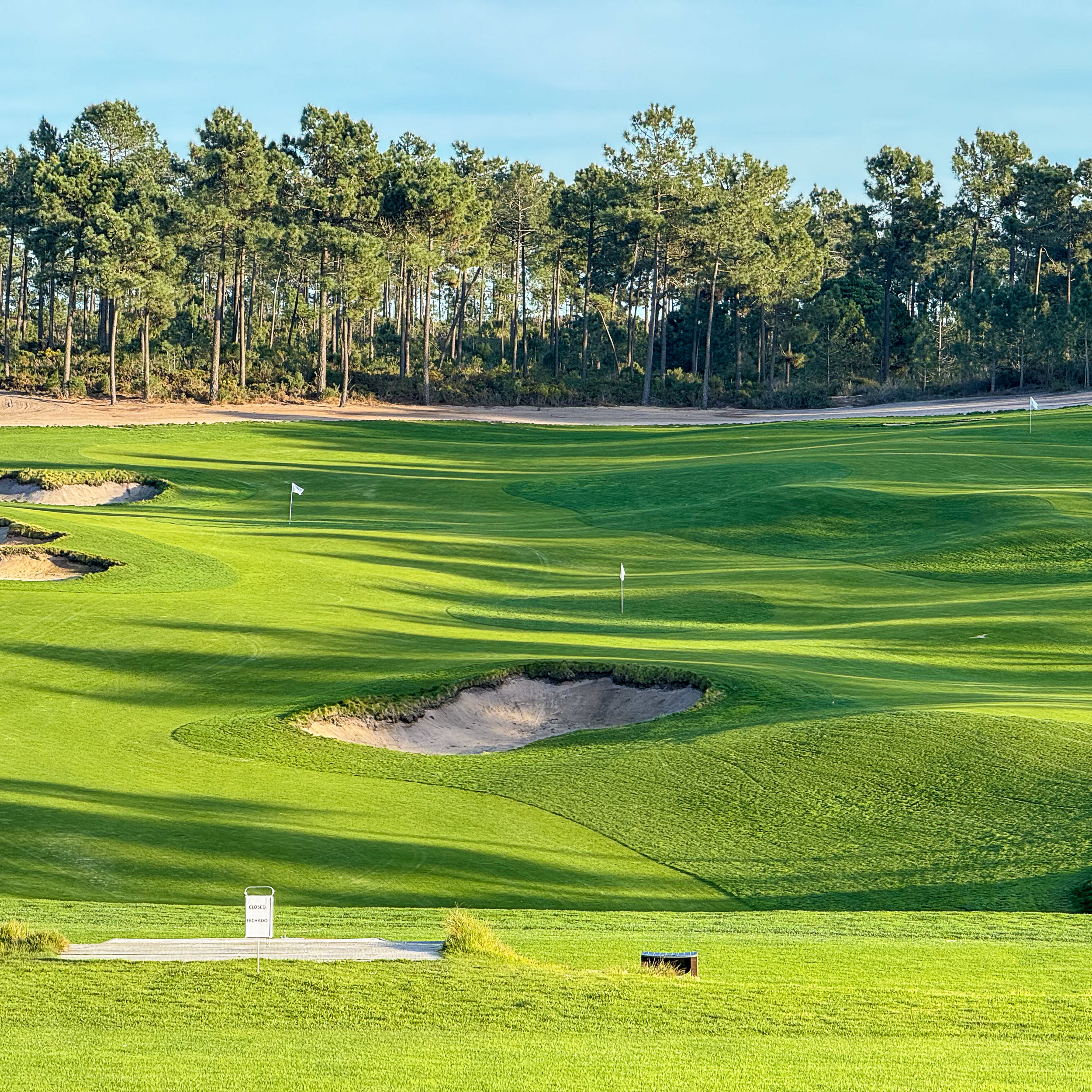
Inseparably linked to this new phase of the region is the current establishment of golf. As in so many coastal regions where high-quality tourism settles, Comporta is now following suit — and with a dynamic that is both a blessing and a curse. On the one hand, spectacular new courses are being built here (such as Pinheirinho or Costa Terra), finally making Comporta an attractive year-round destination. On the other hand, this form of commercial high-end marketing highlights how vulnerable the region is. This development poses a noticeable burden on the intact nature and water resources.
It is precisely in this building boom that the real tension of the present lies. The newer Comporta has visibly become more chic; new architecture and design increasingly shape the town. At the same time, so far — at least visually — hardly any of the mistakes that have disfigured other European coastal sections are noticeable. Houses, hotels, and restaurants often favour a restrained aesthetic and natural materials. Hotel blocks do not line the water, nor is the landscape characterized by massive densification. Whether this design restraint will be sufficient in the long term to preserve the feeling of authenticity remains the central task of the coming years.
Ultimately, exactly this coexistence is what makes Comporta so special today. It is no longer a forgotten coastal village, but fortunately, it is also not a loud luxury resort. Anyone who drives through the vast rice paddies, enjoys the tranquility of the pine forests, or stands on the endless beaches quickly realizes: The region has changed, but it has — so far — fortunately preserved its soul and its very own, relaxed rhythm.
By a Stroke of Luck
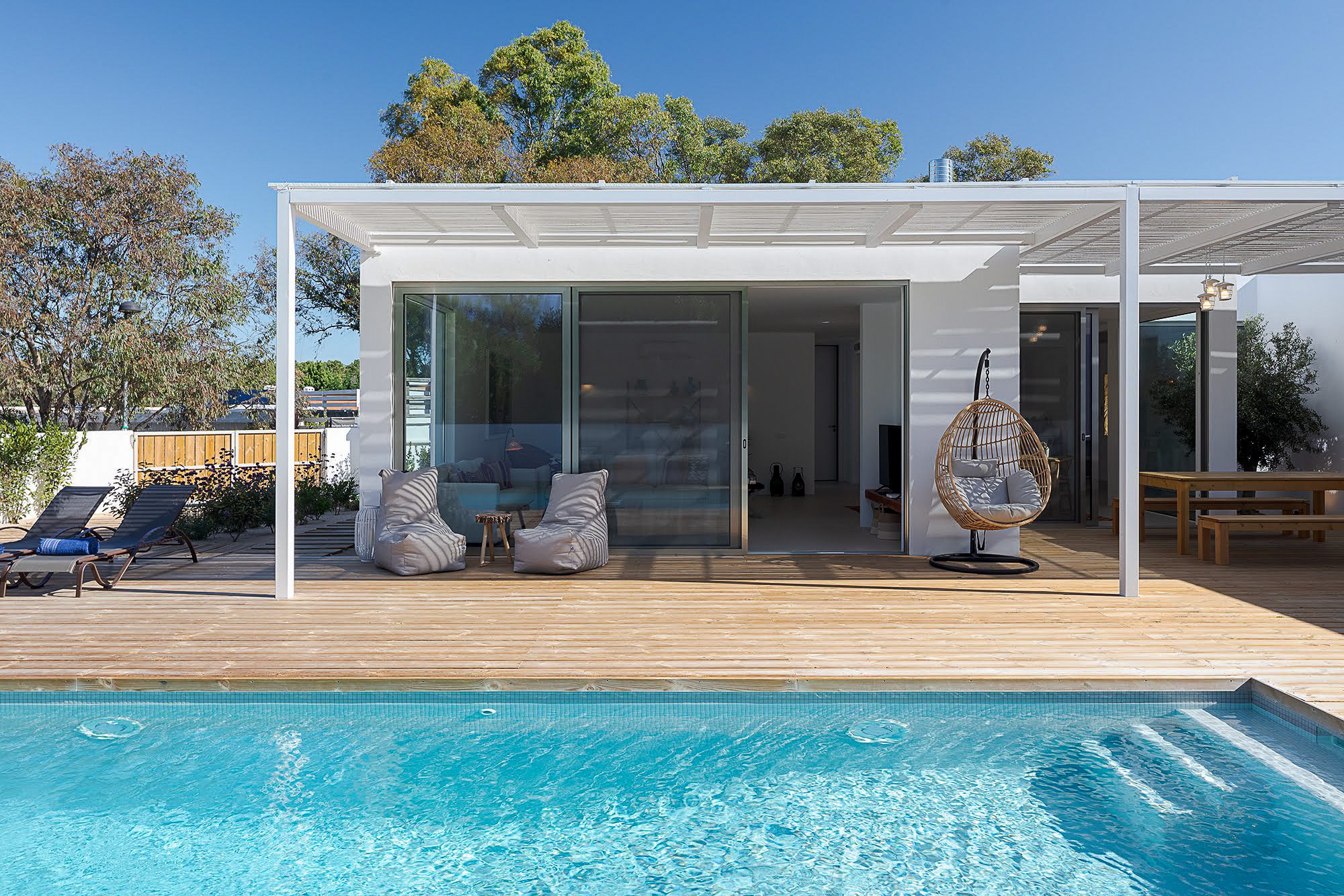
Our enthusiasm for the region eventually went so far that it completely changed our travel habits. Regular vacations turned into the desire to become a permanent part of this place. Through a fortunate coincidence, we finally got the rare opportunity to take over our own home in the region — the Villa Laranjeiras. Today it is our family's favorite place and the ideal starting point for all the discoveries that we share with you in this guide. Looking back, I wonder why I didn't start writing this guide much earlier. It should have been something completely natural, because it is the perfect connection of the things that bring me a lot of joy: hosting, sharing our enthusiasm for Comporta, and photography — I took almost all the pictures in this guide myself.

"Wash off the sand, relax by the private pool, and end the evening surrounded by the quiet of the pine forests."

Your Retreat
Experience the unspoiled charm of Comporta. Our villa offers the perfect setting for relaxing days between rice paddies, endless beaches, and wild nature.